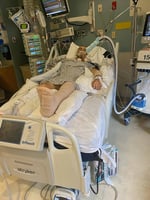
In November 2021, a Guthrie Air helicopter carried Tim Chiarolanza from UPMC Williamsport Hospital...
A neurologist at Geisinger Medical Center gave Tim Chiarolanza's wife and father the prognosis in late 2021: a 1% chance of survival. Tim, who was in a coma, has no memory of those weeks. His family remembers them in detail, and they kept hoping anyway.
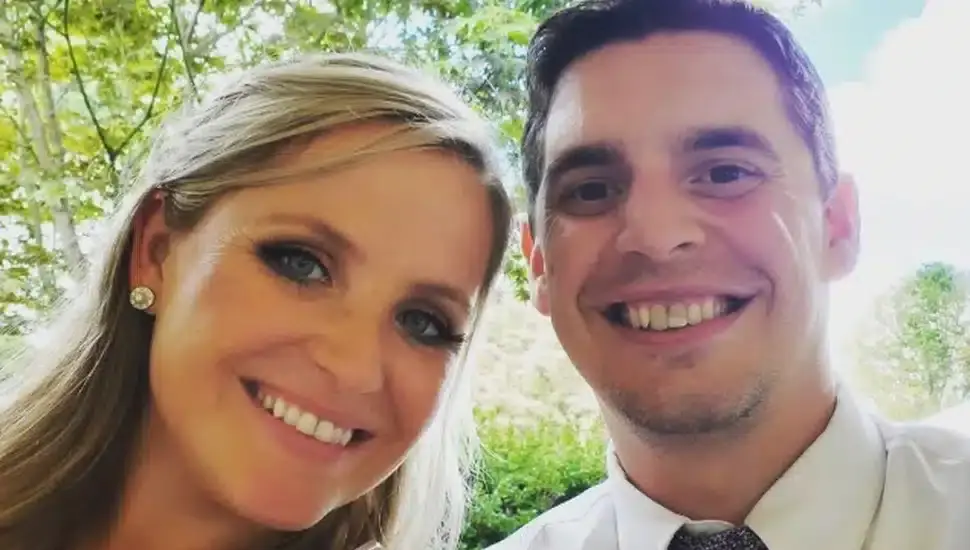
Tim and Sarah Chiarolanza, who started Triumph In Recovery with their families.
That split is common to every serious traumatic brain injury. One person is injured, and the people closest to them take on a new and unpaid job. The Centers for Disease Control and Prevention notes that the effects of a TBI can include changes in thinking, memory, movement, vision or hearing, and emotional functioning such as personality changes and depression, and that those effects reach families and communities as well as the patient. For moderate and severe injuries, they can last years or a lifetime.
The person holding the paperwork
A survivor of a severe brain injury may see trauma surgeons, neurologists, physical, occupational and speech therapists, case managers and primary care doctors in the first year alone. Tim's own recovery ran through surgeons, an ICU, a hospital case manager and a team of therapists who helped him relearn to walk and talk.
In most households, the caregiver ends up as the one person who sees the whole picture. A single notebook or shared phone note covering every appointment, medication, therapy goal and open question can save hours of repeated explanations. Families should also ask, before discharge from each facility, for copies of the discharge summary and therapy plan and for the direct phone number of the assigned case manager or social worker.

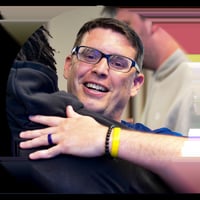
Tim Chiarolanza at the kitchen table.
What shows up at the kitchen table
Many lasting effects of a brain injury surface at home rather than in a short appointment. Years after the accident, Tim's balance and eyesight remain poor, and he tends to repeat himself. He also describes the injury as invisible to anyone who passes him on the street.
Caregivers who write down specific changes, with dates, give the care team something it can act on. A note that a loved one has lost the thread of a sentence several times a day since Tuesday is far more useful to a neurologist than a general sense that something is off.
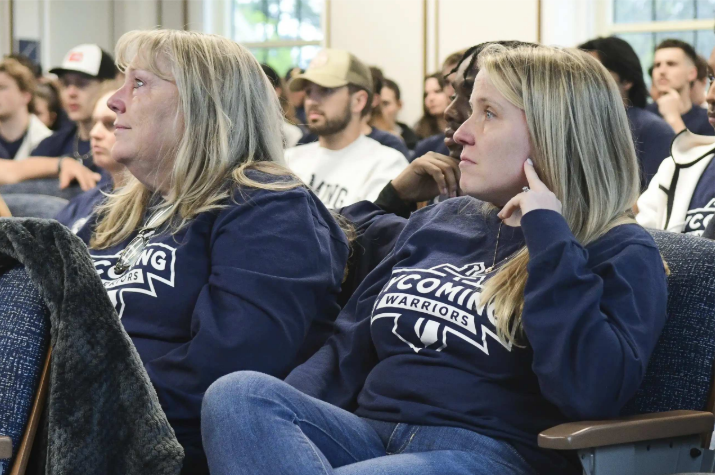
Family and friends of Tim Chiarolanza in Lycoming blue.
Help that arrives with a job attached
When Tim was hurt, his family and friends pulled together around him and Sarah, and that support is part of the reason the couple started Triumph In Recovery for families who lack it. People who want to help a family in crisis usually respond best to a specific request: driving to a Thursday therapy session, bringing dinner on Mondays or staying with the survivor for two hours so a caregiver can sleep.
The caregiver's own recovery plan
Caregivers routinely put their own sleep, health and friendships aside for months at a time. With a moderate or severe brain injury, the caregiving can run for years. Keeping one's own medical appointments, taking a real break every week and finding one other caregiver who has been through it are practical ways to last.
The Brain Injury Association of Pennsylvania's toll-free Brain Injury Resource Line, 1-800-444-6443, gives resource information to caregivers as well as survivors. The association also maintains a regional list of support groups for survivors and families across the state.
Families in Bucks County
Triumph In Recovery, based in Doylestown, supports survivors of traumatic brain injury, trauma and stroke, along with their close circles of family and friends, through education, rehabilitation information and community outreach. Tim also serves as a peer mentor to people in similar situations.
If you are caring for someone after a brain injury, email triumphinrecovery@gmail.com. To help another family through it, donate at triumphinrecovery.com.
Keep reading
- Bucks County Has More Brain Injury Help Than Most Families Ever Find
- Ten Weeks to Home, Four Years to 85%: The Real Timeline of Brain Injury Recovery
- Paying for a Recovery That Lasts Years: Where Pennsylvania Families Find the Money
- Given a 1% Chance to Live, a Former Lycoming Coach Built a Daily Practice Around Today
Sources
- Centers for Disease Control and Prevention, "Traumatic Brain Injury in the United States: Emergency Department Visits, Hospitalizations, and Deaths," via BrainLine. https://www.brainline.org/node/18829
- Centers for Disease Control and Prevention, "Facts About TBI," updated August 4, 2025. https://www.cdc.gov/traumatic-brain-injury/data-research/facts-stats/index.html
- Washington County Community Foundation, "Brain Injury Association of Pennsylvania." https://wccf.net/charities/brain-injury-association-of-pennsylvania
- Children's Hospital of Philadelphia, "Brain Injury Association of Pennsylvania (BIAPA)." https://chop.edu/health-resources/brain-injury-association-pennsylvania-biapa